
Disclosure: All products are chosen and tested by our editors; gifting or affiliate links never influence our opinion.
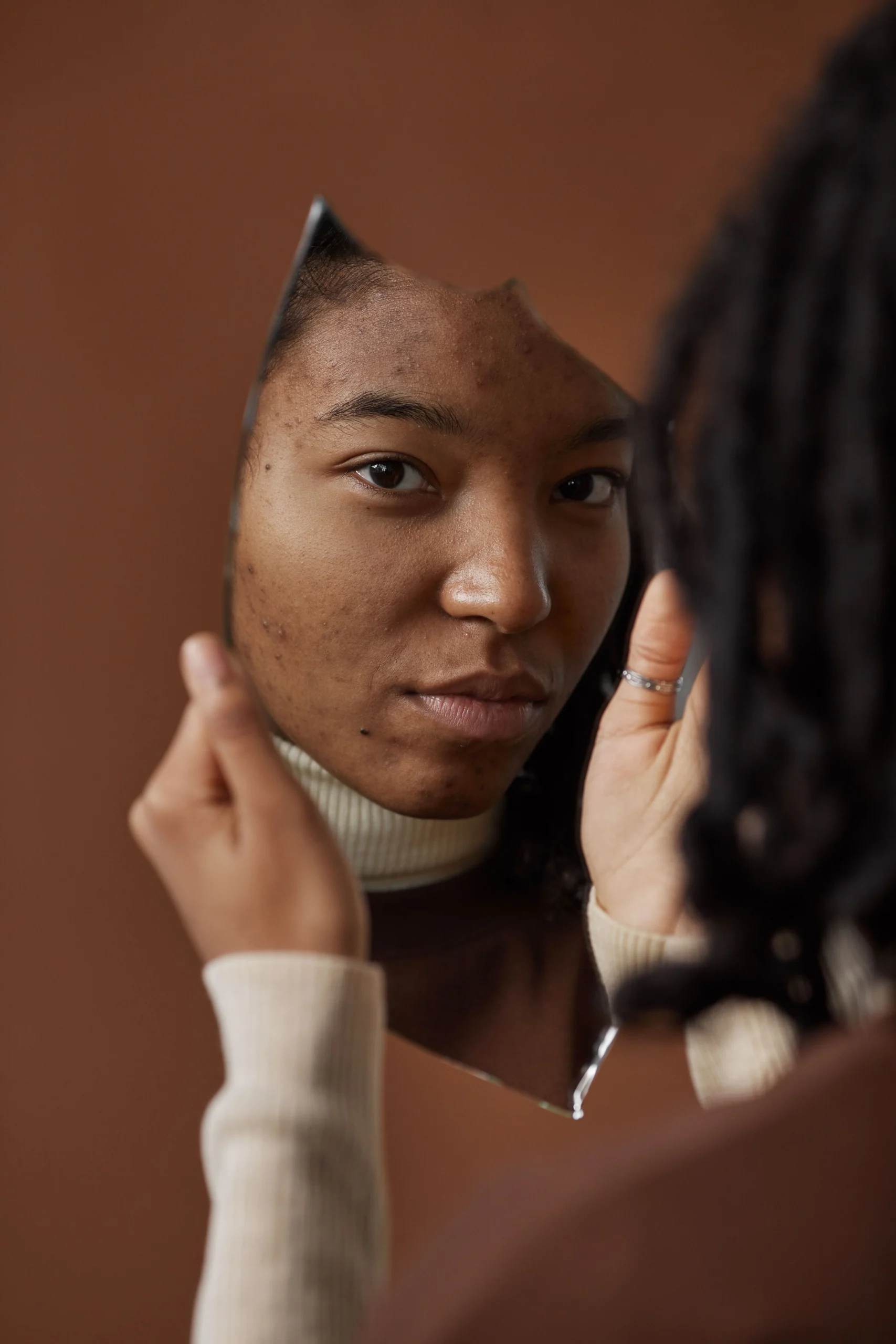
Beauties, if you’ve ever had a spot, scrape or patch of irritation disappear, only to leave you with a darker mark in its place, you may have experienced post-inflammatory hyperpigmentation (PIH).
PIH is one of the most common forms of hyperpigmentation and can be particularly noticeable and persistent in Black and brown skin. It can be triggered by something simple like acne or picking a spot, as well as being caused by inflammation, irritation and even certain aesthetic treatments.
If you’re new to the subject, our previous guide to hyperpigmentation and darker skin tones is a useful place to start. Here we look at the different types of pigmentation and why it can behave differently. Keep reading to find out more specifically on post-inflammatory hyperpigmentation: what causes it, why it can linger, how to prevent it and what to do with those darker marks that have already surfaced.
What is post-inflammatory hyperpigmentation?
In simple terms, PIH is darkened pigmentation that appears after the skin has experienced inflammation or injury.
This happens because inflammation can stimulate melanocytes, the cells responsible for producing melanin, to increase pigment production. That extra pigment can linger as a darker mark.
As Registered Nutritionist Kristy Thomas of Prowise Healthcare, explains:
“PIH occurs when the skin overproduces melanin as the result of inflammation or damage. The inflammation can even be evident in the skin if it is darker, and this may take a long time to fade even if it is not too intense.”
It can be frustrating: the original problem has disappeared but the pigmentation it left behind lasts far longer.
A Quick Guide to Treating PIH

PIH can be more noticeable in Black and brown skin
The reason that PIH is more noticeable in darker skin tones is that although all skin tones contain melanin, darker skin contains more melanin and can have a more pronounced pigmentation response after inflammation and injuries.
Dr Ben Taylor-Davies, aesthetic doctor and Founder and Director of The Stockbridge Clinic, explains:
“Post-inflammatory hyperpigmentation is darker pigment that develops after injury to the skin – this could be from acne, a cut, or even certain aesthetic treatments like lasers if they’re used on darker skin without proper preparation and aftercare. The injury stimulates melanocytes, the skin’s pigment-producing cells, to produce more melanin and because darker skin already contains more melanin, this reaction is more pronounced.
To help prevent it, avoid picking or scratching at spots or scrapes, as this prolongs inflammation. Treating the underlying inflammation, for example with acne treatments, also reduces the risk of pigmentation developing.”
So… what can cause post-inflammatory hyperpigmentation?

Megan Mackay, founder of Red Aesthetics, says:
“This is particularly relevant with professional treatments too. Treatments such as chemical peels and microneedling shouldn’t simply be approached with a ‘stronger is better’ mentality. Skin tone, pigmentation history, current barrier health and the individual’s response to inflammation should all be considered before choosing treatment intensity.”
Keep this in mind if you’re considering professional treatments for pigmentation, you don’t want the treatment to cause more inflammation.
Minimising inflammation can help prevent PIH
One of the simplest ways to help prevent inflammation is by minimising unnecessary inflammation. Yes – that means stop picking those spots and be mindful with your skincare.
As Registered Nutritionist Kristy Thomas of Prowise Healthcare explains:
“The main point is to recognise the underlying cause of inflammation and treat it before taking steps to prevent the skin from being exposed to other triggers.”
Stopping the cause of the inflammation in the first place will stop dark marks from even having the chance to develop.
And yes, we have to talk about SPF.
“It is especially important to use a broad-spectrum sunscreen daily as long-term exposure to the sun can cause permanent pigmentation and can make pigment marks harder to control.”
Sun protection is important for all skin tones, and it becomes particularly relevant when you’re trying to manage existing pigmentation.
Skincare Ingredients that can help with PIH
Once the initial irritation is settled, consider exploring some skincare ingredients that can help improve the appearance of pigmentation over time.
Dr Ben Taylor-Davies, aesthetic doctor and Founder and Director of The Stockbridge Clinic recommends taking a measured approach:
“If pigmentation does occur, ingredients like azelaic acid and niacinamide can help and in some cases a prescription treatment such as hydroquinone. Daily broad-spectrum SPF is essential throughout, as sun exposure on already-inflamed skin tends to make post-inflammatory hyperpigmentation worse.”
Megan Mackay says:
“Ingredients such as azelaic acid, niacinamide and vitamin C can be useful within an appropriate skincare routine, while retinoids may also help with pigmentation and skin renewal when introduced carefully. The key is avoiding the temptation to combine too many strong actives at once. If the skin becomes persistently irritated, you can potentially create the very inflammation you’re trying to treat.”
Be patient when treating PIH
It can be tempting when you’re not seeing an immediate difference to add more products – but this can leave your skin even more irritated rather than helping it.
As Megan puts it:
“Ultimately, treating pigmentation successfully is often about doing enough to encourage improvement without creating unnecessary inflammation that sets the skin back.”
Go for a thoughtful approach, rather than an aggressive one.
When it’s time to see a dermatologist
Not every dark mark is PIH and if you’re experiencing persistent PIH, you might want to get some professional advice. If it’s ongoing, spreading or changing in a way you can’t explain, it might be worth getting assessed by a dermatologist.
Dr Yvonne Abimbola, GP and Specialist Doctor in Dermatology, says:
“Persistent pigmentation may point to an inflammatory disorder that can be easily treated after correct identification. It is important to see a dermatologist for an assessment of your pigmentary problem. They are trained to identify the cause of your pigmentation, including less well-known conditions, and provide effective treatment.”
They also highlight why getting the right diagnosis matters:
“This is crucial as patients can exacerbate and sometimes even worsen their complaint by resorting to concoctions or creams aimed at the wrong diagnosis. Experts in skin of colour excel here, as they are often aware of the conditions that trigger this and can provide culturally competent care.”
If you’re not sure what’s causing your pigmentation, getting the right diagnosis is a much better starting point than simply trying more products.
We get it, PIH can be frustrating, especially when the original spot has disappeared but the mark it left behind hasn’t. but treating pigmentation doesn’t mean throwing loads of products at it and seeing what sticks, it all starts with finding out why the irritation occurred in the first place and then supporting your skin while the pigmentation gradually fades.
For Black and brown skin in particular, this means taking skin tone and pigmentation into consideration and being cautious around potentially irritating treatments. Remember, patience is key! Healthy, calm skin comes first.
Related Posts











About the Author: Wow Beauty & Wellbeing
