
Disclosure: All products are chosen and tested by our editors; gifting or affiliate links never influence our opinion.
Everyone is talking about collagen right now. It’s in your drinks, powders, capsules and even skincare. But do you really know what it all means?
If you’re new to collagen, start by heading over to our Ingredients Index on collagen. Once you’ve got the basics down, come back as we’re diving straight into the different types.
The Types of Collagen
Type I. Type II. Type III. Marine. Bovine. Chicken. Hydrolysed. Peptides. What on earth does it all actually mean?
There are more than 28 types of collagen in the body, each with different structures and roles. But when it comes to collagen supplements and beauty, you’ll most commonly come across Types I, II and III.
But here’s something you need to remember: The type of collagen, the source of collagen and the form of collagen are three different things.
Let’s get into it and break it all down.
The difference between collagen types vs collagen sources
If you see a label that says ‘Hydrolysed marine Type I collagen peptides’ here’s how you can break it down.
Which means:
- Marine = the source is fish
- Type I = the type of collagen
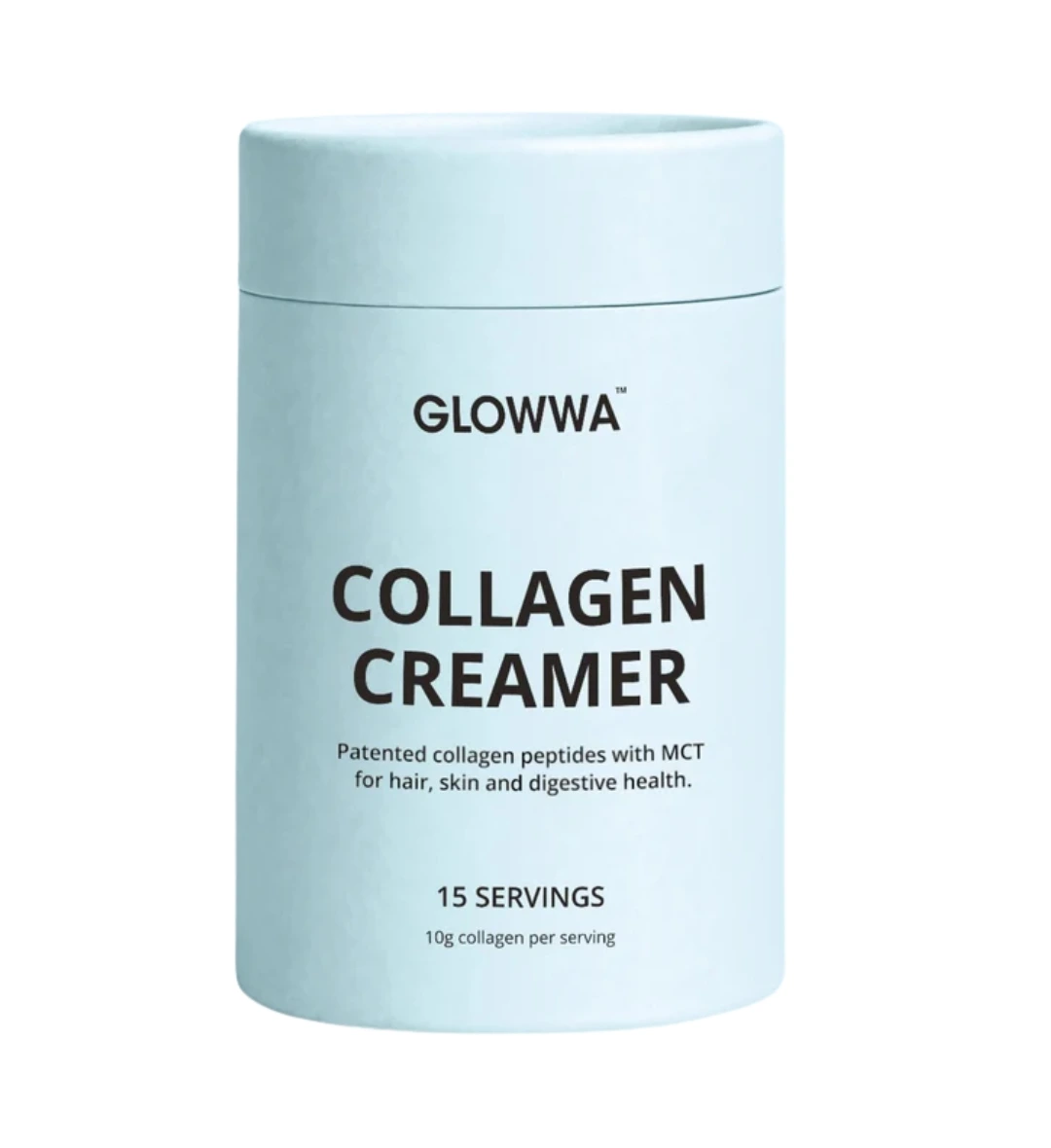
- Hydrolysed = the collagen has been broken down (processed) into smaller peptides
- Peptides = smaller chains of amino acids
As Kristy Thomas, Registered Nutritionist, Prowise Healthcare, explains:
“Source and Type: Understand whether it’s marine (Type I), bovine (Type I & III), or a vegan-supportive blend, and choose based on their specific health goals and dietary preferences.”
So if we break it all down:
So, what are the different types of collagen?
There are more than 28 types of collagen identified in the human body, but Types I, II and III are among the most commonly talked about when it comes to supplements and beauty.
Type I collagen
Type I is the one to know about when it comes to skin.
It’s the most abundant type of collagen in the body and is found in skin, bones, tendons and ligaments, providing strength and structural support.
Dr Swetha P, Consultant Dermatologist and Cosmetologist, explains:
“Marine collagen, derived from fish skin and scales, is rich in Type I collagen, the type most commonly found in human skin.”
Type I collagen is particularly important to the structure of the skin, which is why it’s so frequently discussed in relation to firmness and elasticity.
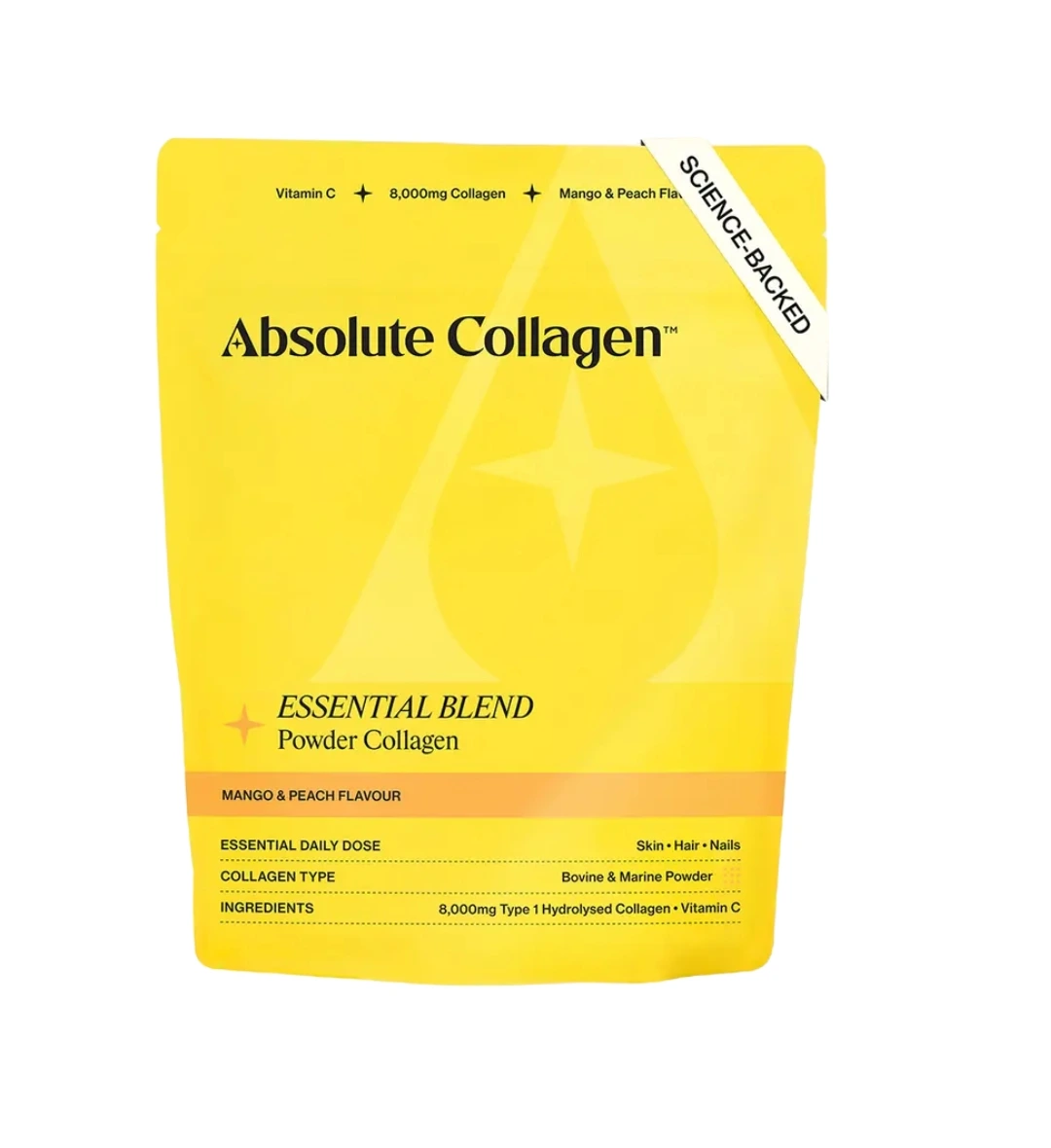
You’ll often find Type I collagen in marine and bovine collagen supplements.
Type II collagen
Type II is predominantly found in cartilage and contributes to the structure of our tissue around the joints. Supplements containing Type II collagen often surround joint and cartilage support, instead of skin.
Chicken collagen is a common source of Type II collagen.
Type III collagen
Type III collagen is often found alongside Type I and is present in skin, blood vessels and connective tissues.
It helps to provide structural support while also contributing to the flexibility of tissues.
Bovine collagen commonly contains both Types I and III, which is one reason it’s widely used in supplements aimed at skin and connective tissue support.
As Dr. Swetha P, Consultant Dermatologist and Cosmetologist explains:
“Bovine collagen, sourced from cattle, contains both Type I and Type III collagen. These collagen types play important roles in supporting skin structure, connective tissues, and overall tissue repair.”
What about Types IV, V and more?
Type I, II and III might get most of the attention, but they’re not the whole story.
There are at least 28 recognised types of collagen, with different types found throughout the body’s tissues.
- Type IV, for example, is found in basement membranes, which provide structural support to tissues.
- Type V is found in tissues including skin, hair and the placenta and plays a role in regulating collagen fibre formation.
- Plus other types including Types VI, VII, IX and XI.
Where does collagen come from?
This is where things can get even more confusing.
Collagen doesn’t just come in different types… it also comes from different sources. Let’s break it down:
Marine collagen
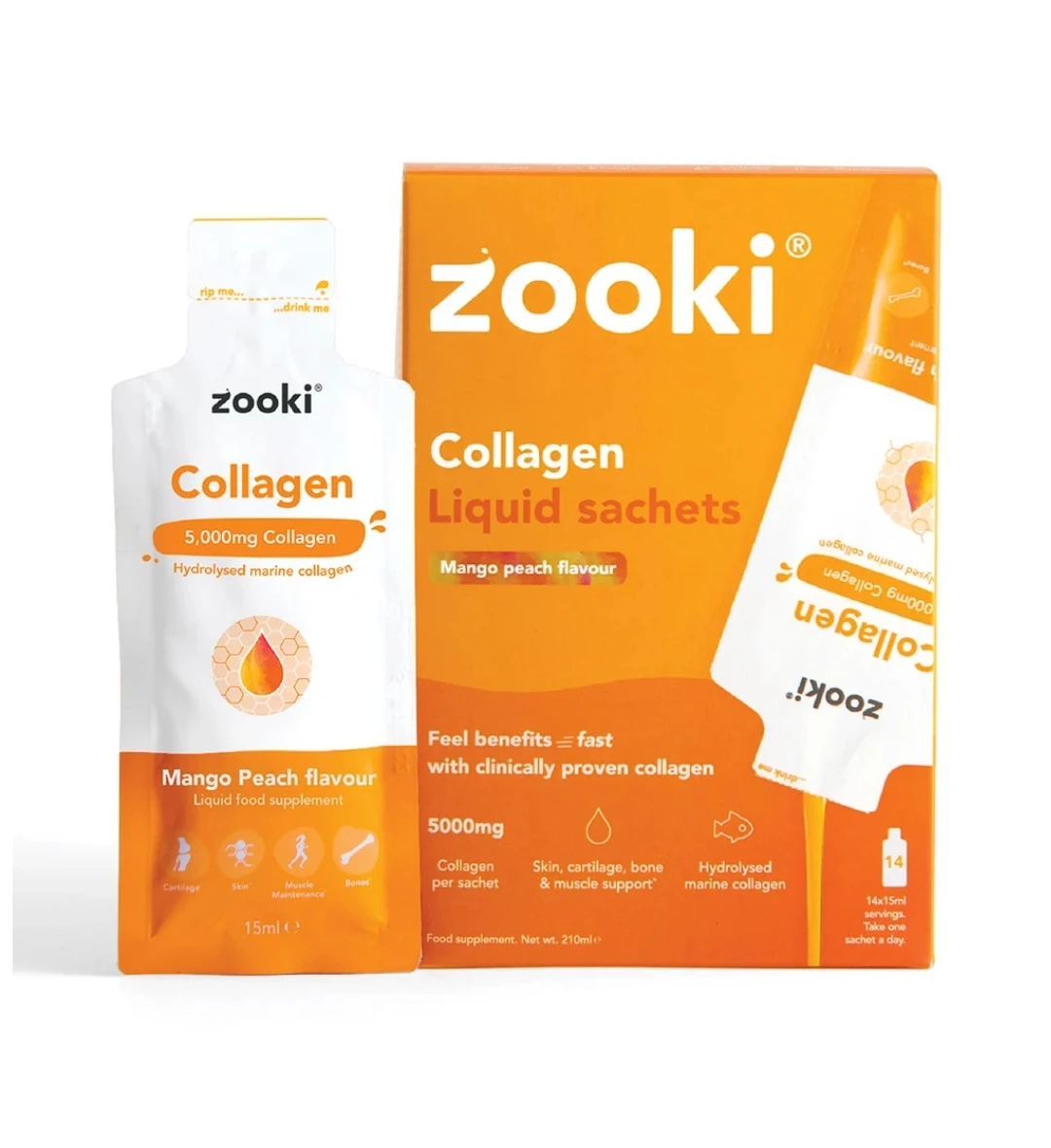
Marine collagen is derived from fish, commonly from skin and scales.
It’s generally rich in Type I collagen, which is one reason it’s particularly popular in beauty supplements focused on skin.
Dr. Swetha P, Consultant Dermatologist and Cosmetologist says:
“Because marine collagen peptides are generally smaller in size, they are often associated with better absorption and are widely used in products targeting skin health.”
Bovine collagen
Bovine collagen comes from cattle and typically contains Types I and III collagen.
Because these types are abundant in skin and connective tissue, bovine collagen is commonly used in supplements aimed at skin and connective tissue support.
Chicken collagen
Chicken collagen is particularly associated with Type II collagen, making it a common ingredient in supplements designed around joint and cartilage support.
You may also see it described as chicken sternum collagen.
Vegan collagen
This is one area where the terminology can be particularly misleading as there isn’t a naturally occurring plant source of collagen
As Kristy Thomas, Registered Nutritionist, Prowise Healthcare explains:
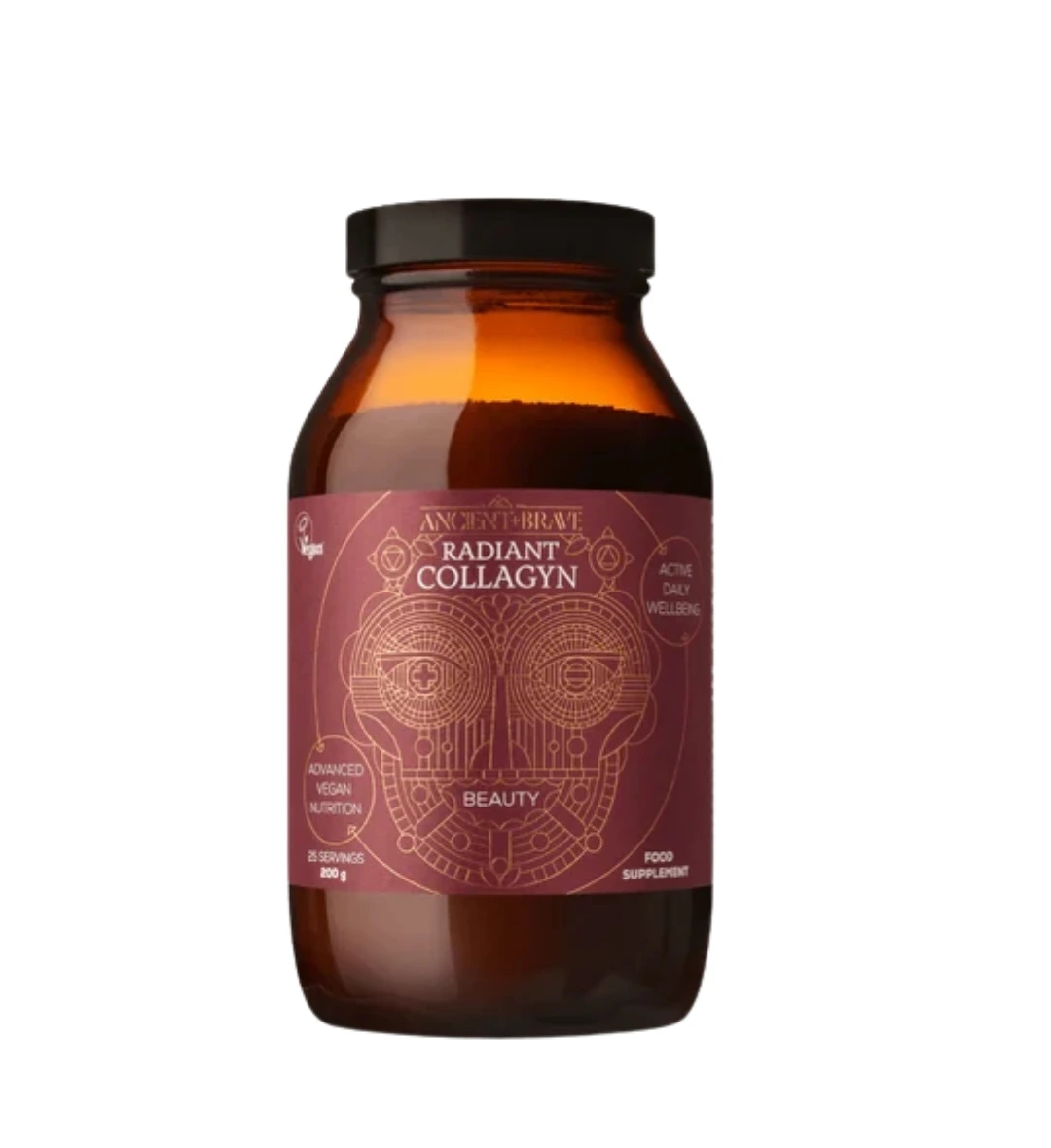
“Collagen is an animal protein and therefore, there is no true vegan collagen. Vegan alternatives are generally made up of ingredients that aid the body’s natural collagen production (e.g., certain amino acids, vitamins and minerals) or using genetically engineered yeast and bacteria to create collagen-like peptides.”
So if you see a product labelled vegan collagen, check what it actually contains. Usually it contains a blend of nutrients designed to support your body’s own collagen production rather than collagen itself.
So what does “hydrolysed collagen” actually mean?
This is another term you’ll see constantly when shopping for collagen.
Hydrolysed collagen, also called collagen peptides, is collagen that has been broken down into smaller peptide chains through a process called hydrolysis, making it easier for the body to digest and absorb.
As Kristy Thomas, Registered Nutritionist, Prowise Healthcare explains:
“Hydrolyzed collagen peptides are small molecules made from larger molecules that are easier to absorb.”
And Dr. Swetha P, Consultant Dermatologist and Cosmetologist adds:
“High-quality collagen supplements contain hydrolyzed collagen peptides, which are broken down into much smaller fragments.”

Which type of collagen is best for skin?
To put it simply, Type I is the one most closely associated with skin and you’ll find it in both marine and bovine collagen supplements marketed for skin health. But it’s not the only fact you should consider.
Kristy Thomas, Registered Nutritionist, Prowise Healthcare recommends looking at:
“Quality and Purity: Choose quality and reliable brands with third-party purity and contaminant testing.”
And Dr. Swetha P, Consultant Dermatologist and Cosmetologist similarly says:
“When selecting a collagen supplement, I recommend focusing on quality rather than marketing claims.”
She also recommends looking for:
“Products that specifically mention hydrolyzed collagen or collagen peptides.”
Collagen and Skin
If you’re mainly interested in collagen because of your skin, there’s another important distinction to understand: collagen supplements and collagen skincare work very differently.
Collagen is a major structural component of the skin. As Dr. Swetha P, Consultant Dermatologist and Cosmetologist explains:
“Collagen is the most abundant protein in the human body and serves as the primary structural component of the skin. It makes up a large portion of the dermal layer, helping maintain firmness, elasticity, and overall skin strength.”
But what happens when you simply apply collagen to your skin?
Collagen creams vs collagen supplements
“From a dermatological perspective, the answer lies in the size of the collagen molecule. Native collagen molecules used in most skincare products are extremely large and cannot penetrate deeply through the skin’s protective barrier.”
Dr. Swetha P, Consultant Dermatologist and Cosmetologist explains that topical collagen can still have a cosmetic benefit:
“As a result, topical collagen creams primarily act as moisturizers. They help improve hydration and temporarily smooth the skin’s surface but do not directly replace lost collagen in the deeper layers of the skin.”
A collagen moisturiser may leave your skin feeling softer and more hydrated, but most conventional topical collagen is too large to penetrate deeply into the skin, so it doesn’t replace collagen lost in the deeper dermis.
Nutrients that support collagen production
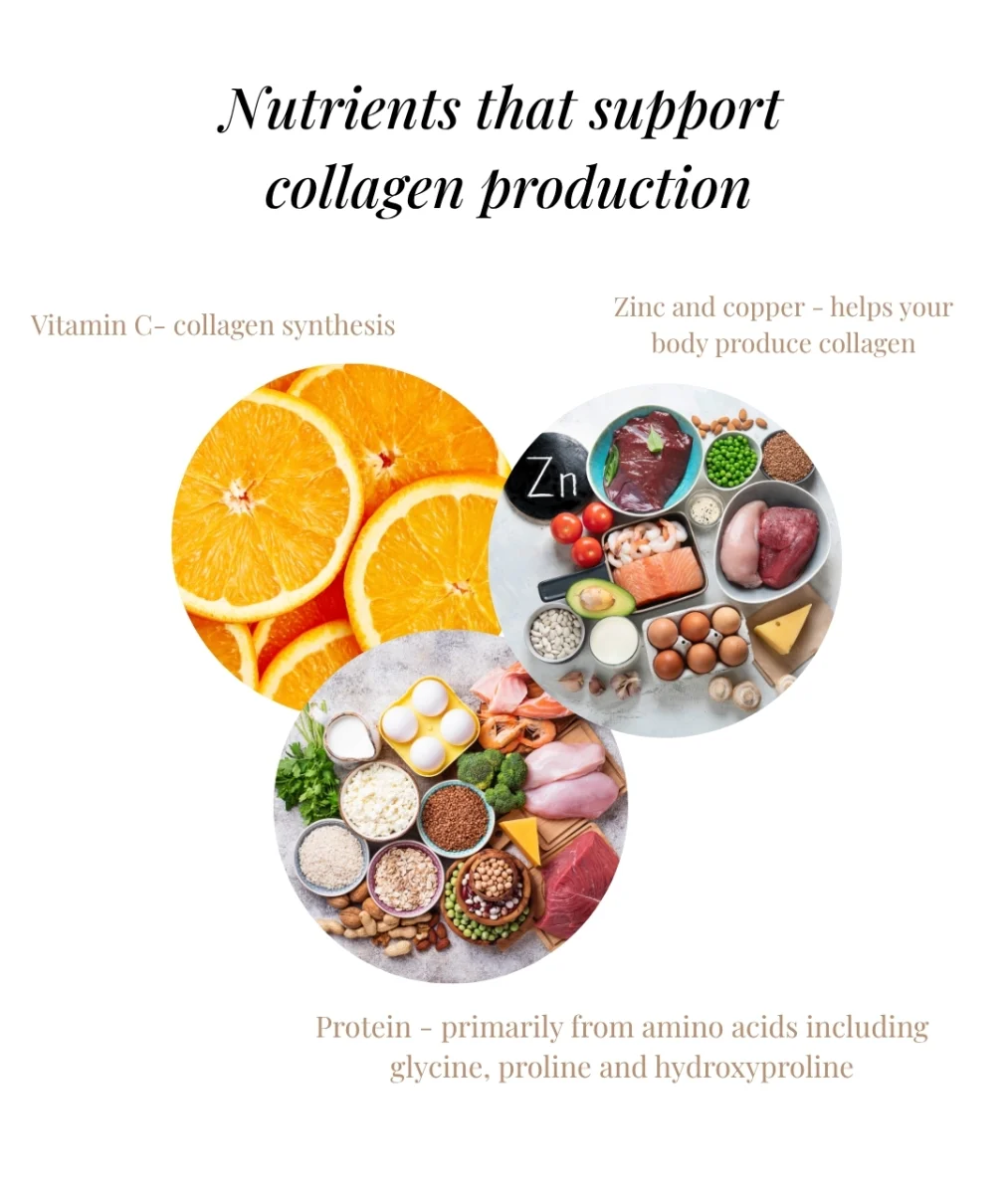
Collagen doesn’t work in isolation and your body needs a range of nutrients to produce and maintain it. For normal collagen production, here’s some of the key ingredients to focus on.
Vitamin C
Vitamin C is particularly important for collagen synthesis.
As Kristy Thomas, Registered Nutritionist, Prowise Healthcare explains:
“Vitamin C: Needed for collagen formation; co-factor for enzymes that synthesize collagen.”
Good food sources include citrus fruits, berries and leafy greens.
Zinc and copper
These minerals are also involved in the processes that help your body produce collagen.
Kristy Thomas, Registered Nutritionist, Prowise Healthcare says:
“Zinc and Copper: Also cofactors for enzymes involved in collagen production.”
Protein and amino acids
Collagen itself is made primarily from amino acids including glycine, proline and hydroxyproline, so getting enough protein in your diet provides your body with the raw materials it needs.
So… which collagen should you choose?
Let’s be real – there’s no one best collagen, really its about working out what you’re actually looking for and to go from there.
For skin support
You’ll commonly see Type I collagen, including marine collagen and bovine collagen containing Types I and III.
For joint and cartilage support
You’ll more commonly encounter Type II collagen, particularly from chicken.
If you want marine collagen
Look for products that clearly state their source and collagen type.
If you’re vegan
Remember that plants don’t naturally contain collagen. Look for products designed to support your body’s own collagen production and check exactly which nutrients they contain.
If you’re looking for collagen peptides
Look for hydrolysed collagen or collagen peptides on the label.
And whatever you’re buying, don’t just look at the front of the packet. Check the source, collagen type, form, dosage and quality testing.
Kristy Thomas, Registered Nutritionist, Prowise Healthcare recommends:
“It should be a daily dose of collagen peptides that is effective, usually between 2.5g and 10g per day.”
And Dr. Swetha P, Consultant Dermatologist and Cosmetologist similarly notes that:
“Many studies evaluating collagen supplementation have used daily doses ranging from approximately 2.5 to 10 grams.”
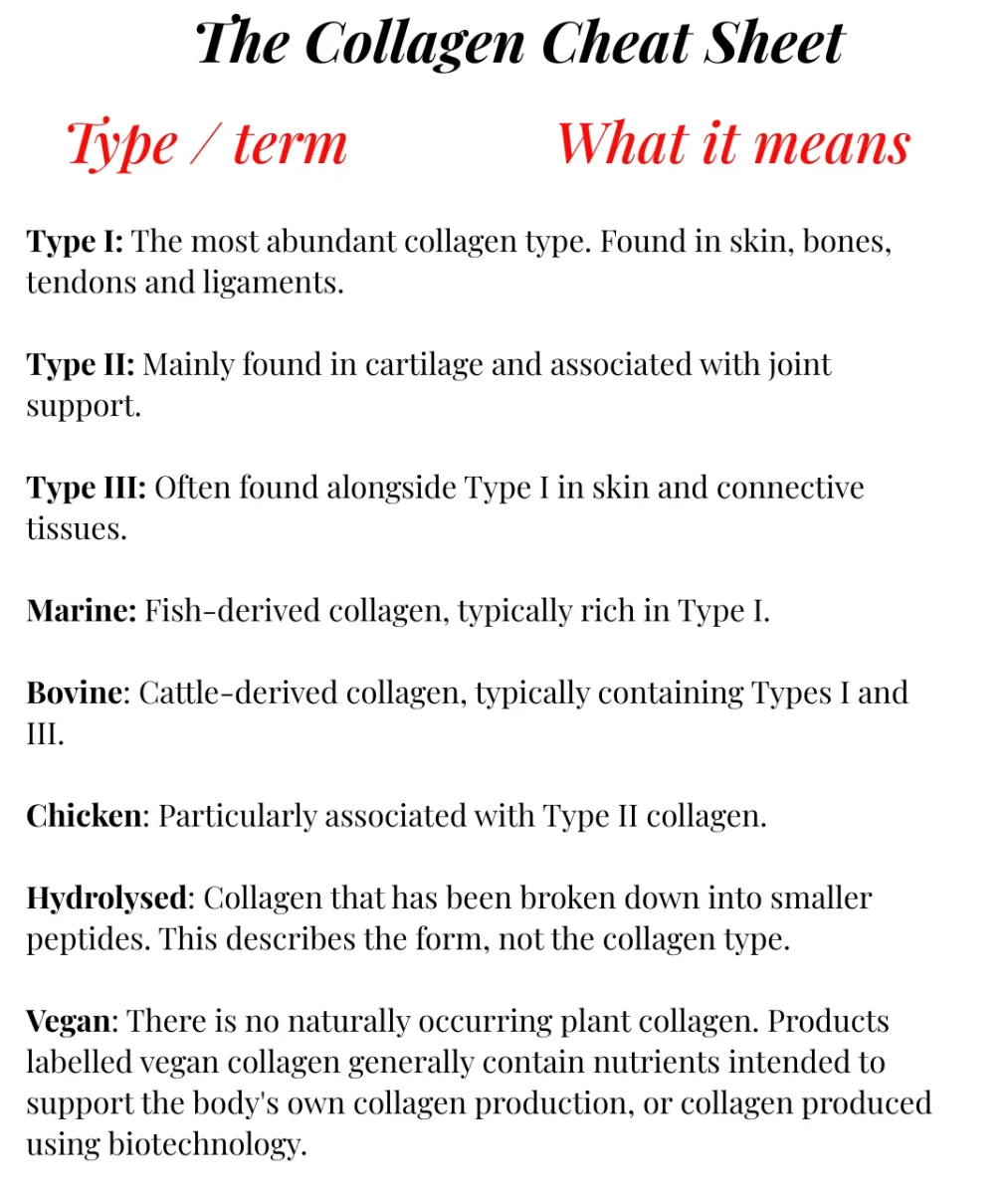
The different types of collagen cheat sheet
Still confused? Here’s the quick version.
There’s a lot more to collagen than simply picking up a tub of collagen powder and trying it out.
But collagen isn’t a magic fix.
As Dr. Swetha P, Consultant Dermatologist and Cosmetologist puts it:
“The most effective strategy is not simply adding collagen but creating the right environment for the body to produce and preserve it naturally.”
So, before you reach for the latest collagen powder, take a closer look at the label and remember that supporting healthy skin starts with supporting your body as a whole.
Related Posts














About the Author: Wow Beauty & Wellbeing
